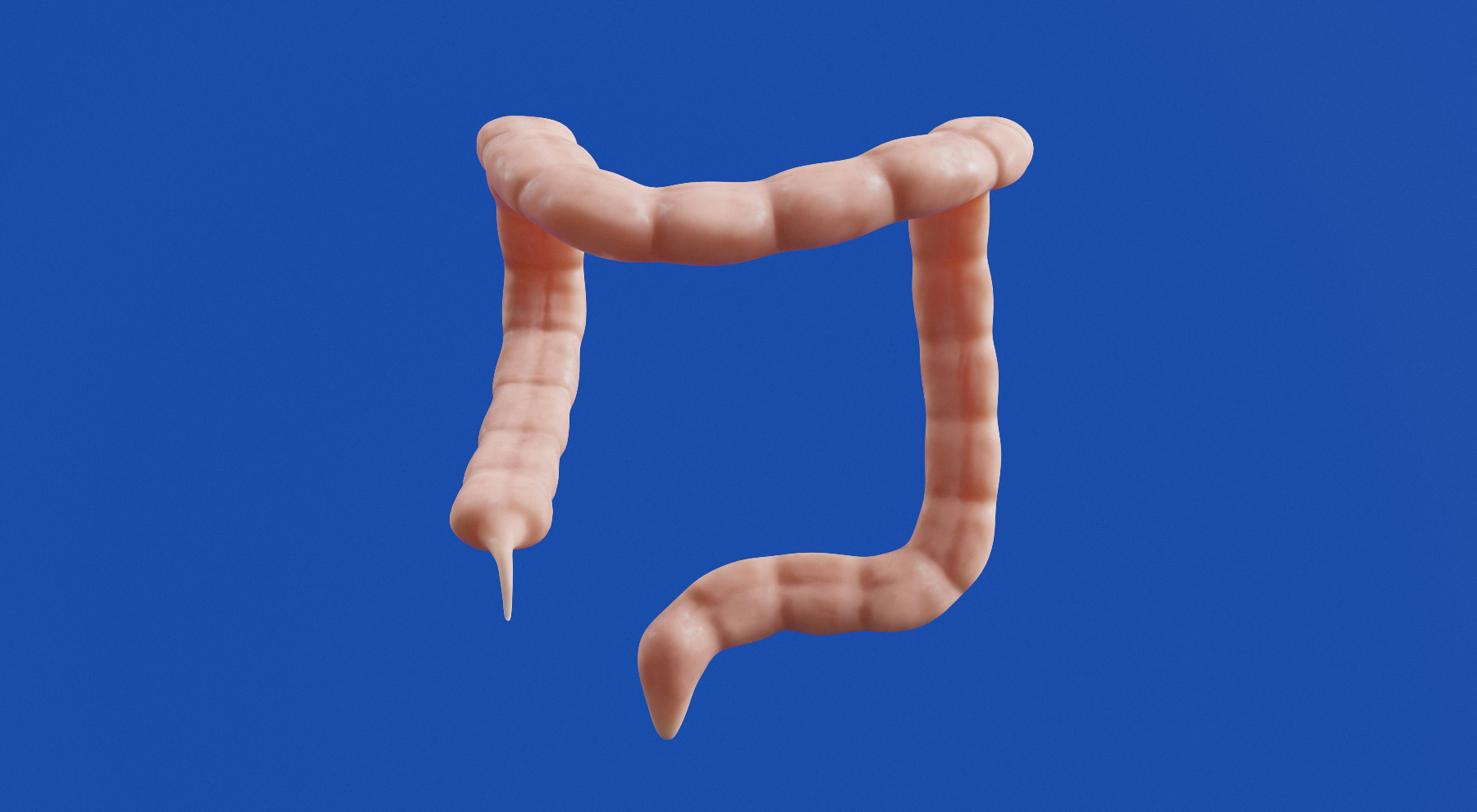


The gut microbiome is one of the most rapidly evolving fields in modern medicine. Scientific evidence is increasingly showing that the trillions of microorganisms that inhabit our digestive system are involved in processes related to digestion, the immune system, metabolism and inflammation.
This raises an interesting question: if every person has a different microbiome, should the approach to it also be different?
This is precisely where the concept of personalised probiotics comes in.
The traditional approach to probiotics usually involves taking a product containing specific bacterial strains for which there is evidence of benefit in relation to a particular condition.
The personalised approach aims to take the next step – to take into account the individual composition and function of the gut microbiome.
Rather than recommending the same probiotic to everyone, the idea is to identify which microorganisms are missing or reduced in a particular individual and to assess whether and how they can be restored.
This is part of the wider development of personalised medicine.
Every person’s gut microbiome is unique. It is influenced by a number of factors:
This means that the same probiotic supplement may have different effects on different people.
A particular strain may take hold well in one person, whilst in another it may not lead to any significant change. Therefore, the future of microbiome medicine is unlikely to lie solely in the search for the „best probiotic“, but rather in understanding which microorganism is suitable for a particular patient and a particular condition.
Imagine a patient with persistent digestive symptoms.
Rather than automatically recommending a standard probiotic, the approach could include:
1. Medical assessment
The first step is to identify the symptoms, medical history, diet, medication and other factors that may affect gut health.
2. Microbiome research
Where appropriate, methods for analysing the composition of the gut microbiota may be used.
3. Identifying potential shortfalls
The data obtained can help the specialist assess whether there have been significant changes in the composition or diversity of the microbiome.
4. A personalised approach
Depending on the specific case, a dietary plan, probiotic strains, prebiotics or other approaches to modulating the microbiome may be considered.
5. Monitoring
The microbiome is dynamic. Therefore, the effect of a particular approach must be assessed in conjunction with changes in the patient’s symptoms and general condition.
It is important to make one clarification.
A healthy microbiome does not simply mean having as many bacteria as possible. What is more important is the diversity, balance and functions of the various microorganisms.
That is why taking a variety of probiotic products for no particular reason is not always the best approach.
In some cases, it may be more important to provide a suitable environment for the beneficial bacteria already present by eating a diet rich in various types of fibre and plant-based foods.
Whilst probiotics contain live microorganisms, prebiotics are substances that can be used by certain beneficial bacteria as a source of energy.
Many of them are types of dietary fibre.
Examples of foods that provide different types of fibre include:
This is yet another reason why a varied diet should form the basis of good gut health.
Personalised medicine based on the microbiome is promising, but is still in its early stages.
Scientific research has already demonstrated links between certain microorganisms and various diseases. Specific bacterial strains and their metabolites, including short-chain fatty acids such as butyrate, are also being investigated.
However, it is important to be cautious about claims regarding „personalised probiotics“. Not every change in the microbiome indicates a disease, and not every bacterial deficiency that is identified should automatically be corrected with a supplement.
Further clinical trials are needed to determine for which conditions, patients and specific bacterial strains a personalised approach offers real clinical benefit.
The future of this field may extend beyond traditional probiotic supplements.
Researchers are working on various approaches, including:
This is gradually changing the way we view the microbiome – from something we simply „need to balance“ to a complex ecosystem that can form part of the diagnostic and therapeutic approach to certain diseases.
The most significant change is likely to be the shift from one-size-fits-all solutions to a more personalised approach to gut health.
Instead of the question being:
„Which is the best probiotic?“
In future, it could be:
„Which approach is most suitable for this particular patient?“
This is the fundamental idea behind personalised microbiome medicine.
At the Unimed Medical Centre, we pay particular attention to the link between the gut microbiome, diet, the immune system and overall health.
In patients with appropriate medical indications, an assessment of gut health may form part of a broader, personalised approach tailored to the patient’s symptoms, medical history and specific needs.
It is important that every therapeutic approach is tailored to the individual, rather than relying on one-size-fits-all solutions.
Personalised probiotics represent an interesting avenue in the development of microbiome medicine and personalised treatment. The idea of identifying the individual characteristics of the microbiome and selecting an appropriate therapy on that basis holds great potential.
However, this field is still evolving. Not all claims regarding personalised probiotics are supported by sufficient clinical evidence, and the choice of approach must be based on a medical assessment and scientific data.
The future is unlikely to simply involve taking „more beneficial bacteria“, but rather understanding how our individual microbiome works and how we can safely support it.
Contact us for a consultation, research information or partnership. We will assist you with care and professionalism.