

Antibiotics are one of the greatest achievements of modern medicine. Thanks to them, millions of lives have been saved from bacterial infections that were once life-threatening. But alongside their undeniable benefits, antibiotics can have a significant impact on the gut microbiome – the complex ecosystem of microorganisms that plays a key role in our health.
A growing body of scientific research suggests that antibiotics do not merely destroy the pathogens causing the infection, but often also affect a large proportion of the beneficial bacteria in the gut.
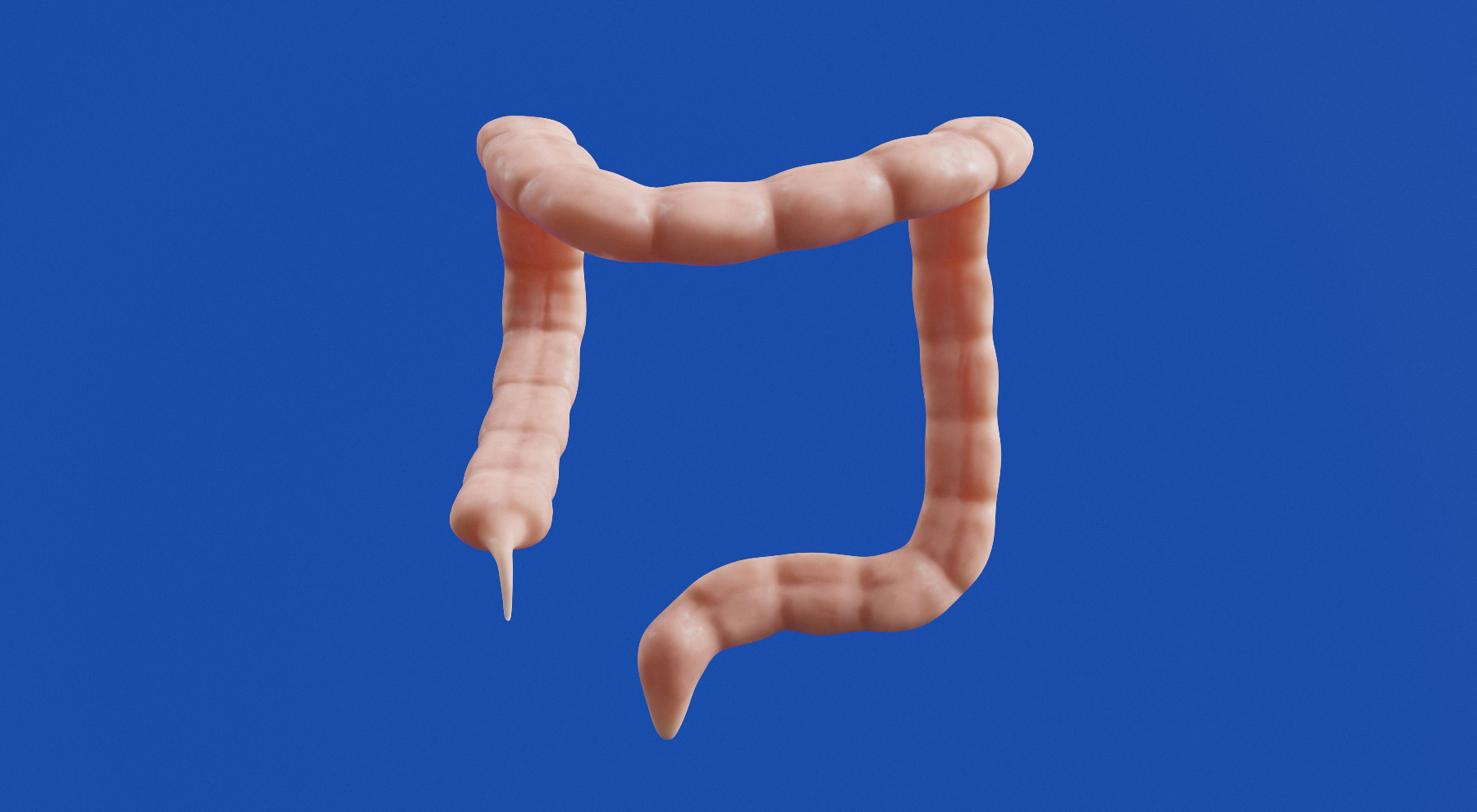
The gut microbiome is a collection of trillions of bacteria, viruses and other microorganisms that live in the digestive system.
These microorganisms are involved in:
When the balance between beneficial and harmful microorganisms is disrupted, a condition known as dysbiosis.
Antibiotics are designed to kill bacteria, but most of them cannot distinguish between „good“ and „bad“ bacteria.
As a result, the treatment may lead to:
Even a short course of antibiotics can temporarily alter the composition of the microbiome.
After a course of antibiotics, some people experience:
An imbalance in gut bacteria can lead to increased fermentation of food and a feeling of bloating.
Antibiotic-associated diarrhoea is one of the most common complications of antibiotic treatment.
Some patients experience delayed bowel function and changes in bowel movements.
You may experience some temporary difficulties when preparing certain foods.
One of the most serious consequences of disrupting the microbiome is the development of an infection with Clostridioides difficile.
When the levels of beneficial bacteria are significantly reduced, this bacterium can begin to multiply uncontrollably and cause:
This is precisely one of the reasons why scientists are paying increasing attention to the restoration of the microbiome following antibiotic treatment.
Recovery is individual and depends on:
In some people, the microbiome recovers within weeks, whilst in others the changes may persist for months or even years.
Fibre acts as food for beneficial bacteria and helps them to thrive.
Good sources include:
If well tolerated, the following may be helpful:
Lifestyle also affects the recovery of the microbiome.
Patients with severe dysbiosis or recurrent infections may require further assessment and a personalised approach to restoring microbial balance.
No. Antibiotics remain vital in the treatment of many bacterial infections.
However, it is important to note that:
The prudent use of antibiotics is key both to individual health and to curbing antibiotic resistance.
Antibiotics are an indispensable tool in medicine, but they can have a significant impact on the gut microbiome. Understanding these changes and taking steps to restore beneficial bacteria can help speed up recovery and improve long-term health.
Maintaining a healthy microbiome is an important part of looking after your body – especially after a course of antibiotics.
Contact us for a consultation, research information or partnership. We will assist you with care and professionalism.