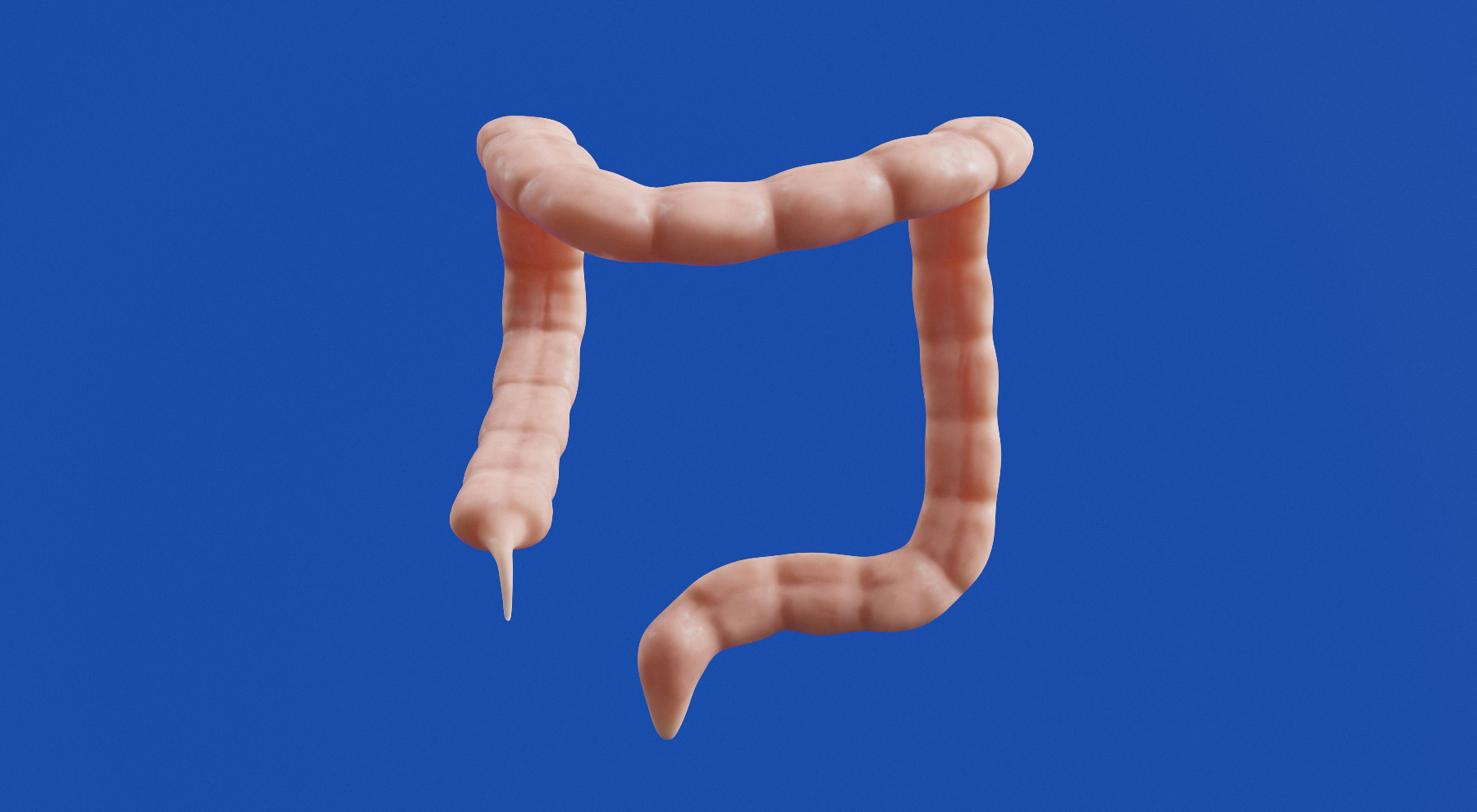


The gut microbiome is a complex ecosystem of bacteria and other microorganisms that live in the digestive system. They play a role in digestion, maintaining the intestinal barrier, the functioning of the immune system and a range of metabolic processes.
When the balance between different microorganisms is disrupted, a condition known as dysbiosis may develop. It is not a diagnosis in its own right, but rather a description of changes in the composition or function of the microbiome.
But how can we tell if the gut microbiome might be out of balance?
Abdominal bloating and excessive gas are among the most common complaints associated with digestive disorders.
Changes in gut bacteria can affect the way certain carbohydrates and fibre are broken down, which in some people leads to increased flatulence and discomfort.
It is important to bear in mind, however, that bloating can have many other causes, including food intolerances, irritable bowel syndrome, constipation and other medical conditions.
Another possible sign is persistent changes in the way the bowels function.
These may include:
Gut bacteria are involved in the metabolism of nutrients and the production of various substances that affect bowel function.
If you regularly experience a feeling of heaviness, wind, bloating or abdominal discomfort after eating, the cause may be linked to the way your digestive system processes certain foods.
The microbiome plays an important role in breaking down nutrients that cannot be fully absorbed in the small intestine.
Some people find that, after a certain period of time, they start to find certain foods harder to tolerate.
This does not necessarily mean that the cause is dysbiosis. Food intolerances and allergies have different mechanisms and must be distinguished from disorders of the microbiome.
It is therefore important, in the event of new or persistent symptoms, to look for the specific cause, rather than automatically assuming that it is due to a „disrupted microbiome“.
Antibiotics can alter the composition of the gut microbiome, as they affect not only pathogenic bacteria but also part of the normal gut flora.
Following a course of antibiotics, some people may develop:
In most cases, the microbiome gradually recovers, but in some patients the changes may take longer.
When digestive problems keep coming back, it is important not to treat just the symptoms.
Recurring problems such as chronic diarrhoea, constipation, bloating or abdominal pain can have various causes. In some cases, the microbiome may be a factor, but a medical assessment is required.
A large part of the immune system is closely linked to the gut. Gut microbes interact with immune cells and play a role in regulating inflammatory processes.
That is why scientists are increasingly investigating the link between the gut microbiome, the immune system and chronic inflammation.
This does not mean that everyone who suffers from frequent infections or inflammatory symptoms has dysbiosis, but it does show just how important balance is in the gut ecosystem.
The microbiome is influenced by a number of factors. These include:
That is why looking after your gut health is not simply a matter of taking a specific probiotic or supplement.
One of the most important factors is a varied diet.
A diet rich in plant-based foods provides various types of fibre, which serve as a substrate for beneficial gut bacteria.
Good choices are:
Regular physical activity, sufficient sleep and the sensible use of antibiotics are also part of looking after the microbiome as a whole.
Symptoms alone cannot reliably indicate whether a person has dysbiosis. Similar complaints are seen in a wide range of diseases and functional disorders of the digestive system.
If symptoms are persistent or recurring, the doctor may assess the need for further tests and investigate the specific cause.
It is important not to self-diagnose solely on the basis of bloating, wind or changes in bowel habits.
Consulting a specialist is particularly important in the following cases:
These symptoms may be a sign of a condition that requires diagnosis and specific treatment.
Every person has a unique gut microbiome. That is precisely why the approach to gut health should not be the same for everyone.
В Unimed Medical Centre We focus on the link between the gut microbiome, diet and overall health. For patients with appropriate medical indications, Dr Hinov can assess which diagnostic or therapeutic approach is required.
Bloating, changes in bowel habits, discomfort after eating and symptoms following a course of antibiotics may be among the signs that the gut microbiome has been altered, but they are not sufficient on their own to make a diagnosis.
The gut microbiome is a complex system that is influenced by diet, medication, lifestyle and a host of other factors. In the case of persistent symptoms, the correct approach is to identify the cause and carry out an individual medical assessment.
Contact us for a consultation, research information or partnership. We will assist you with care and professionalism.