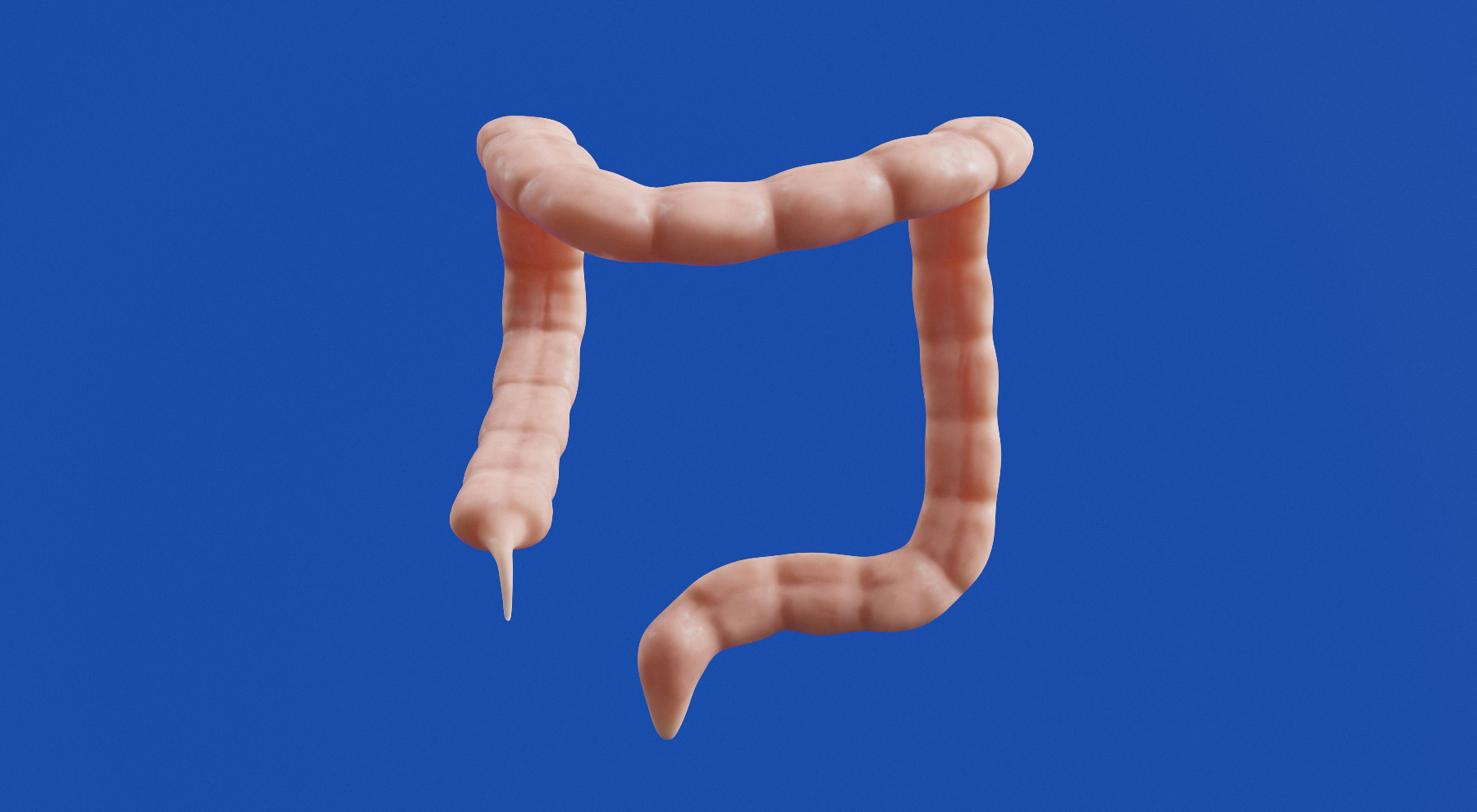


A growing body of research shows that gut health is closely linked to the overall health of the body. When the balance of gut bacteria is disrupted, a condition known as dysbiosis can develop.
But what exactly is dysbiosis and by what symptoms can we recognize it?
Dysbiosis is a disturbance in the balance of the gut microbiome - the complex ecosystem of bacteria, fungi and other microorganisms that live in the gut.
This imbalance can occur due to:
When beneficial bacteria decrease and undesirable microorganisms begin to dominate, the body often begins to send signals.
One of the most common symptoms of dysbiosis is bloating, often accompanied by:
This can be the result of impaired food breakdown and overgrowth of certain bacteria.
A disrupted microbiome often affects normal bowel function.
Symptoms may include:
This is a common reason for patients to seek gastroenterology consultation.
Many people don't associate chronic fatigue with the gut, but the microbiome plays an important role in:
In dysbiosis are often observed:
Much of the immune system is connected to the gut.
A disrupted microbiome can be associated with:
Dysbiosis can make it difficult to process certain foods.
Some patients report:
The relationship between the gut and the skin is increasingly being explored.
In some people, dysbiosis may be associated with:
This is explained by the relationship between the microbiome, the immune system and inflammation.
Axis gut-brain is one of the most interesting topics in modern medicine.
Gut bacteria are involved in the production of substances related to the nervous system, including serotonin. In dysbiosis, some patients report:
The diagnosis is made by:
It is important to rule out other conditions with similar symptoms.
The approach depends on the individual patient, but often includes:
In certain cases, more specialised approaches to restoring the microbiome are also discussed.
If you have persistent symptoms such as:
it is good to consult a specialist to assess the state of intestinal health.
Dysbiosis is an increasingly common problem in modern lifestyles. Recognising the symptoms early can help restore balance to the gut earlier and improve overall health.
Contact us for a consultation, research information or partnership. We will assist you with care and professionalism.