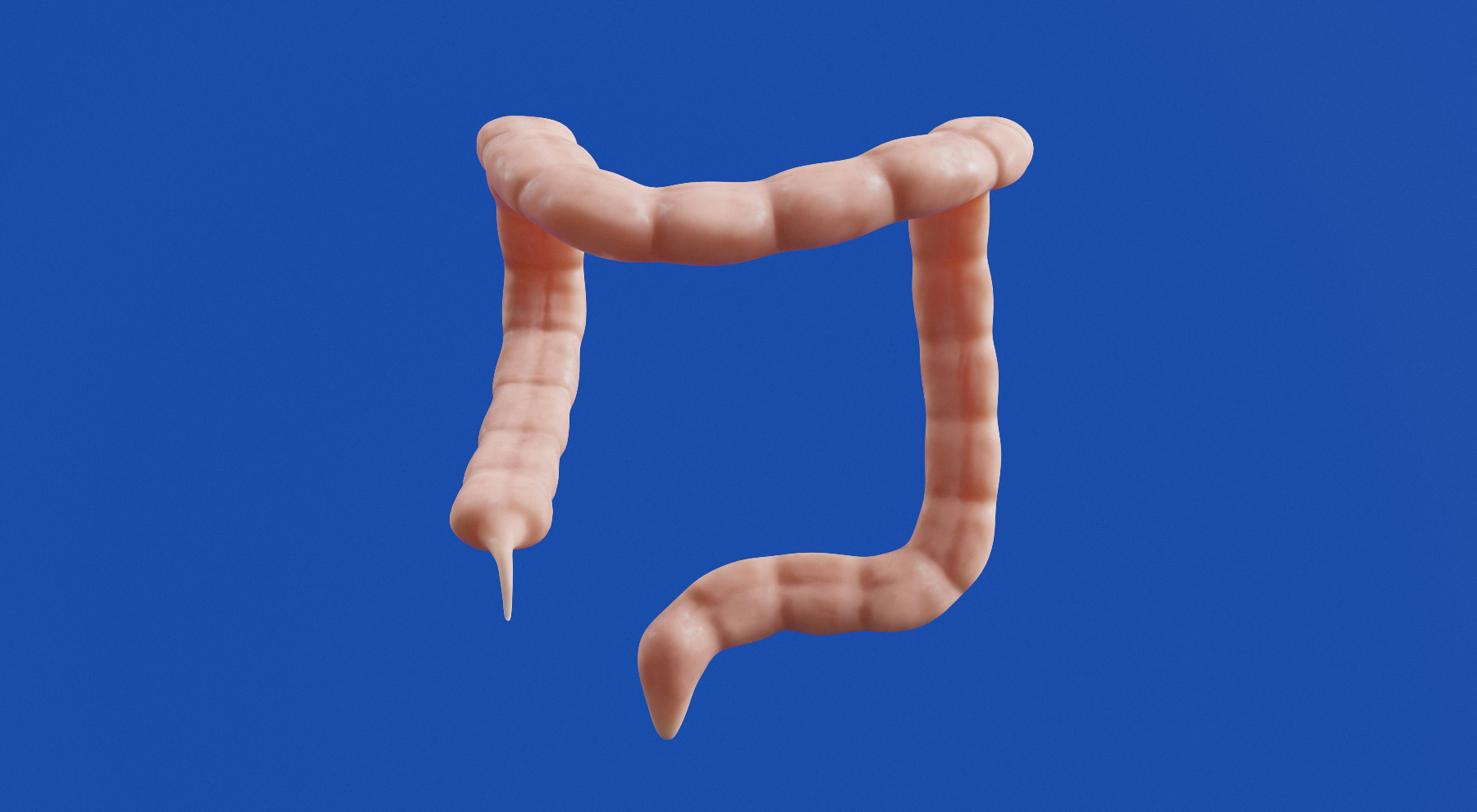


Diet is one of the most important factors determining the composition and diversity of the gut microbiome. The trillions of bacteria that live in our gut not only play a part in digestion, but also influence the immune system, metabolism, inflammatory processes and even mental health.
The good news is that the microbiome isn’t static – it changes depending on our lifestyle and, above all, on the food we eat every day.
The gut microbiome is a complex ecosystem comprising billions of beneficial bacteria, viruses and other microorganisms that inhabit the large intestine.
These microorganisms perform important functions:
The more diverse the microbiome, the better the gut functions.
Everything we eat affects not only us, but also the microorganisms in our gut.
Beneficial bacteria need certain nutrients to multiply and carry out their functions. If they do not receive the right „food“, their numbers gradually decline, and their place may be taken by less beneficial microorganisms.
One of the most important food groups for gut health is dietary fibre.
Beneficial bacteria use fibre as a source of energy and, as they break it down, produce substances with proven health benefits.
Good sources of fibre include:
Regular consumption of a variety of plant-based foods helps to develop a more diverse and resilient microbiome.
When beneficial bacteria break down fibre, they produce butyrate – a short-chain fatty acid that plays an extremely important role.
Butyrate:
This is precisely why foods rich in fibre are associated with better gut health.
It is not only healthy eating habits but also unbalanced ones that affect gut bacteria.
Excessive consumption of:
may lead to a reduction in the diversity of the microbiome and to a condition known as dysbiosis.
Dysbiosis is associated with an increased risk of various gastrointestinal and metabolic disorders.
Fermented foods can be a valuable part of a varied diet.
These are:
For some people, these foods help to promote diversity in the gut microbiome. However, the effect varies from person to person and depends on their overall diet and state of health.
People often look for a specific food that will improve their microbiome. However, science shows that Diversity is the most important thing.
Eating a wide variety of fruit, vegetables, pulses, nuts, seeds and whole grains provides different types of fibre that nourish a variety of beneficial bacteria.
It is precisely a diverse microbiome that is linked to better overall health.
In certain conditions such as:
A change in diet alone may not be enough.
In such cases, it is necessary to consult a specialist who can assess the most appropriate approach to treating and restoring the gut microbiome.
Diet is one of the most powerful factors influencing gut bacteria and the overall health of the microbiome. A balanced diet, rich in a variety of plant-based foods and fibre, supports the growth of beneficial microorganisms and creates the conditions for better digestion, a stronger immune system and a healthier body.
If you are suffering from persistent gastrointestinal symptoms, bloating, dysbiosis or other digestive problems, consulting a specialist can help identify the cause and draw up a personalised plan to restore your gut health.
Contact us for a consultation, research information or partnership. We will assist you with care and professionalism.