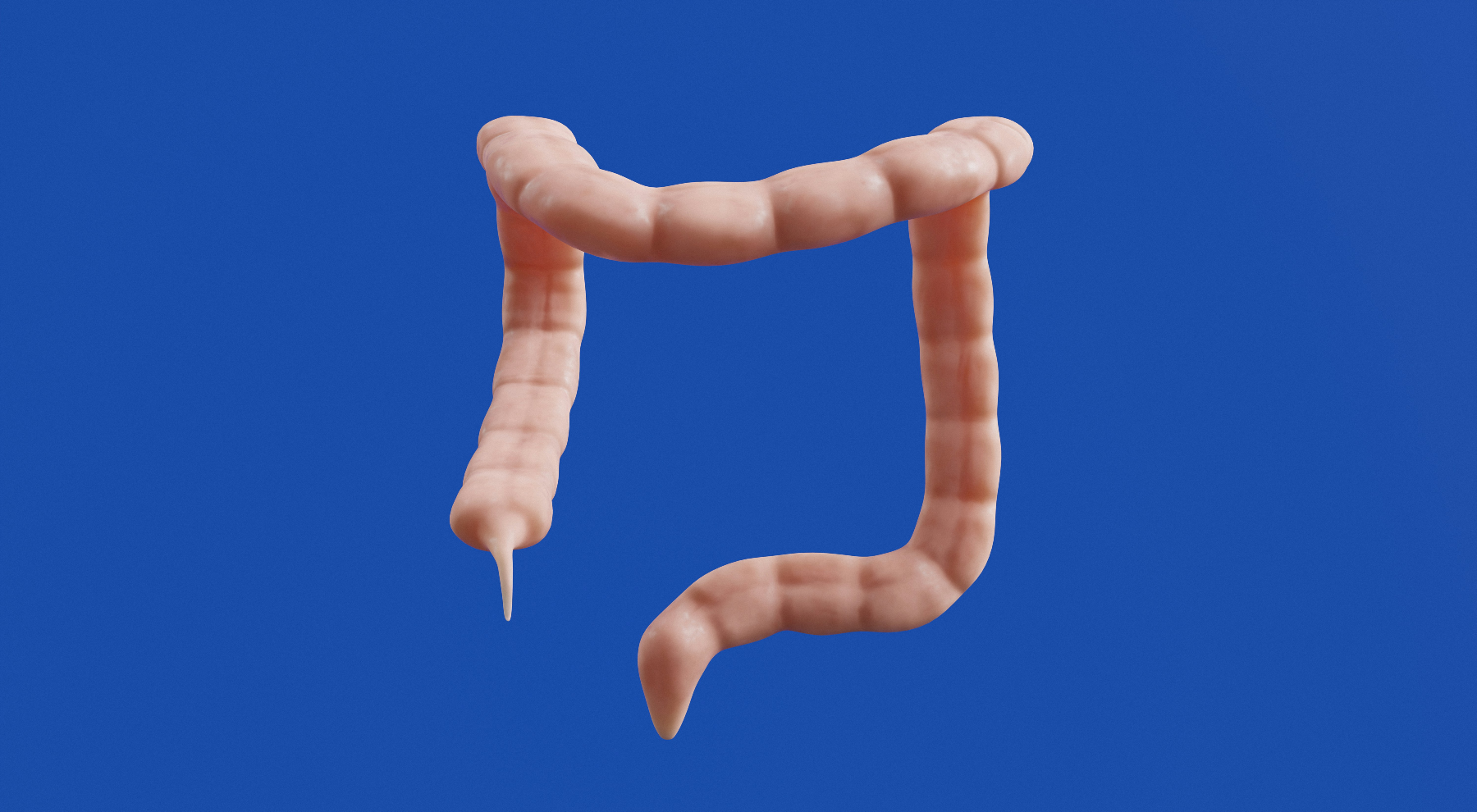


More and more people are noticing a link between their digestion and their mental state - bloating, discomfort or gut issues often go hand in hand with anxiety, irritability or low mood. This is no coincidence. Modern science confirms that the gut microbiome plays a key role in mood regulation and emotional balance.
The gut microbiome is the collection of trillions of microorganisms that live in our gastrointestinal tract. They are not passive „guests“ but active participants in multiple processes - digestion, immune defense, inflammation and communication with the nervous system.
The intestine and the brain are connected by the so-called. gut-brain axis, which includes:
This means that the signals do not only move „top down“ (stress → stomach problems), but also from bottom to top - the state of the gut can directly affect the brain and psyche.
Gut bacteria are involved in the production and regulation of important neurotransmitters:
Disrupted microbial balance can cause changes in these signals and increase feelings of anxiety, tension or depression.
Dysbiosis (disturbed microbiome balance) often leads to chronic low-grade inflammation. Inflammatory molecules can cross the blood-brain barrier and affect brain function, which is associated with:
The relationship is bidirectional: chronic stress changes the composition of the gut microbiota, reduces beneficial bacteria and facilitates the development of dysbiosis. This creates a vicious cycle: stress → intestinal problems → more anxiety.
Several key factors have been shown to have a positive impact:
It is important to note that there is no universal solution - the microbiome is strictly individual.
In clinical practice, it is increasingly seen that patients with anxiety, depressive states or chronic stress also have underlying intestinal disorders. The approach should be comprehensive and personalized, with attention to both mental and gut health.
The microbiome is an invisible but extremely influential „organ“ that is actively involved in the regulation of mood and anxiety. Gut care is not just a matter of digestion, it is part of caring for mental well-being and quality of life.
If you're experiencing a combination of gut and emotional symptoms, consulting a specialist can help identify the real cause and the most appropriate way forward.
Contact us for a consultation, research information or partnership. We will assist you with care and professionalism.