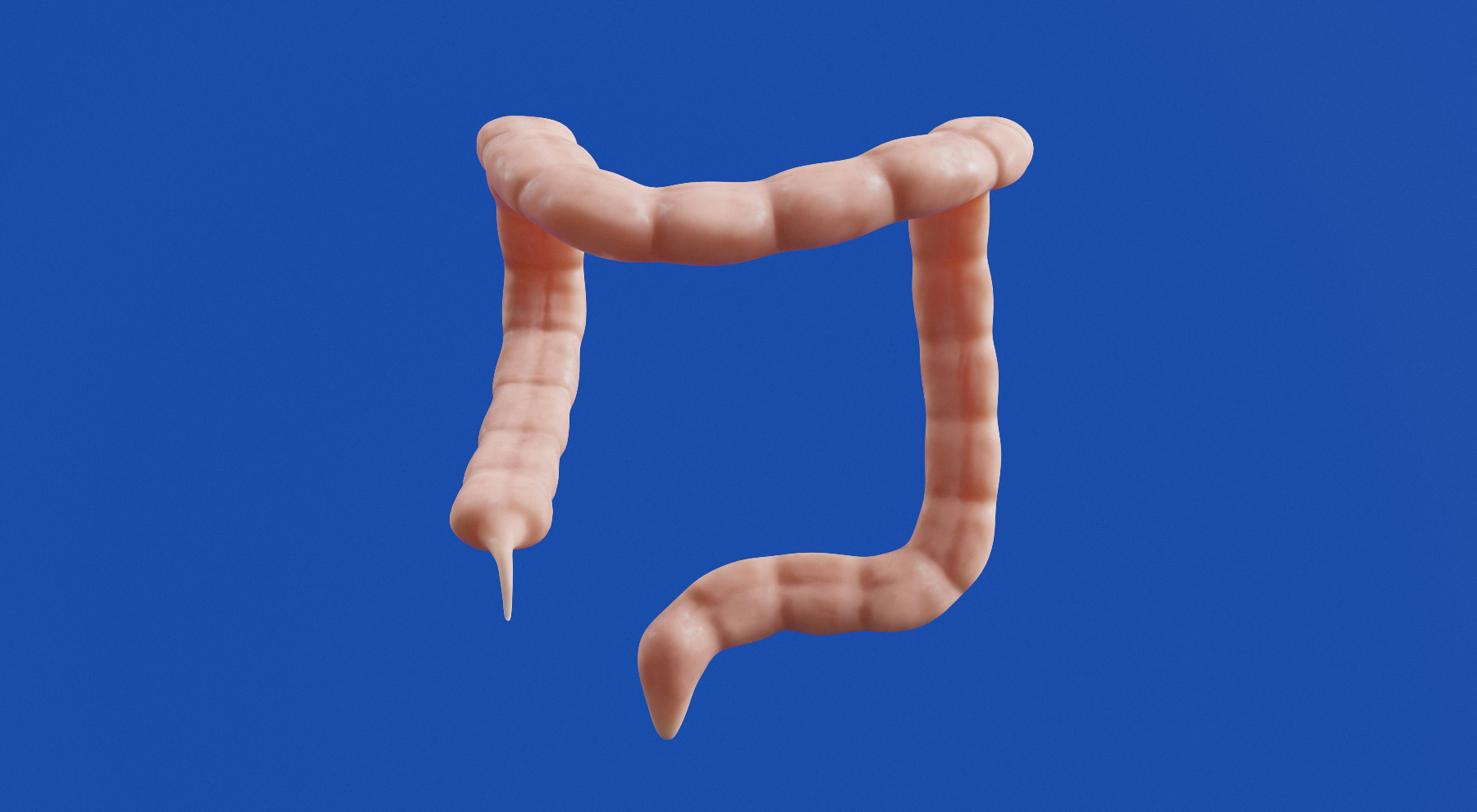


Faecal microbiota transplantation (FMT) is a modern method for restoring the gut microbiome, which is used to treat certain conditions, particularly recurrent infections caused by Clostridioides difficile, and in some cases for other conditions as well, following a thorough medical assessment.
One of the questions patients ask most often is: „What will happen after the procedure?“ Understanding the recovery process helps to reduce anxiety and set realistic expectations.
Once the procedure is complete, most patients remain under brief medical observation, after which they can go home.
In the first few hours, the following may occur:
These symptoms are usually mild and subside within a short period of time.
The restoration of the gut microbiome It does not happen instantly. Beneficial bacteria gradually begin to colonise the gut, and the process varies from patient to patient.
During the first few days, the following may be observed:
In some patients, improvement occurs relatively quickly, whilst in others the body adapts gradually.
The time taken for the treatment to take effect depends on the reason for the faecal transplant, the patient’s general state of health and their individual characteristics.
Following successful restoration of the microbiome, many patients report:
It is important to bear in mind that Results may vary from patient to patient and do not occur at the same rate.
After fecal transplantation (FMT) The doctor can provide personalised advice on diet and lifestyle.
The following are usually recommended:
Beneficial bacteria need a suitable environment in order to establish themselves permanently in the gut.
Although fecal transplantation It is usually well tolerated; however, if you experience any of the following symptoms, you must inform your doctor immediately:
Regular follow-up after the procedure is an important part of the treatment.
Following FMT, patients usually undergo follow-up examinations to assess:
Monitoring enables the medical team to assess how the microbiome is recovering and whether any further recommendations are needed.
The gut microbiome is involved in numerous processes within the body, including:
This is precisely why restoring a healthy microbial balance can have a positive effect on the body’s overall condition.
Faecal microbiota transplantation is an innovative approach to restoring the gut microbiome in certain medical conditions. Following the procedure, most patients go through a period of adaptation, during which the beneficial bacteria gradually restore the natural balance in the gut.
Following the advice of your doctor, eating a healthy diet and attending regular check-ups are important for optimal recovery and the long-term success of your treatment.
If you have any questions regarding faecal microbiota transplantation (FMT) or if you would like to find out whether you are a suitable candidate for the procedure, you can contact the team at Unimed Medical Centre for a consultation.
Contact us for a consultation, research information or partnership. We will assist you with care and professionalism.