

Fecal microbiota transplantation (sometimes called fecal therapy) is gaining popularity in global medicine as an innovative treatment for certain intestinal conditions, especially recurrent infection with Clostridioides difficile. But what actually happens in the patient's body after the procedure?
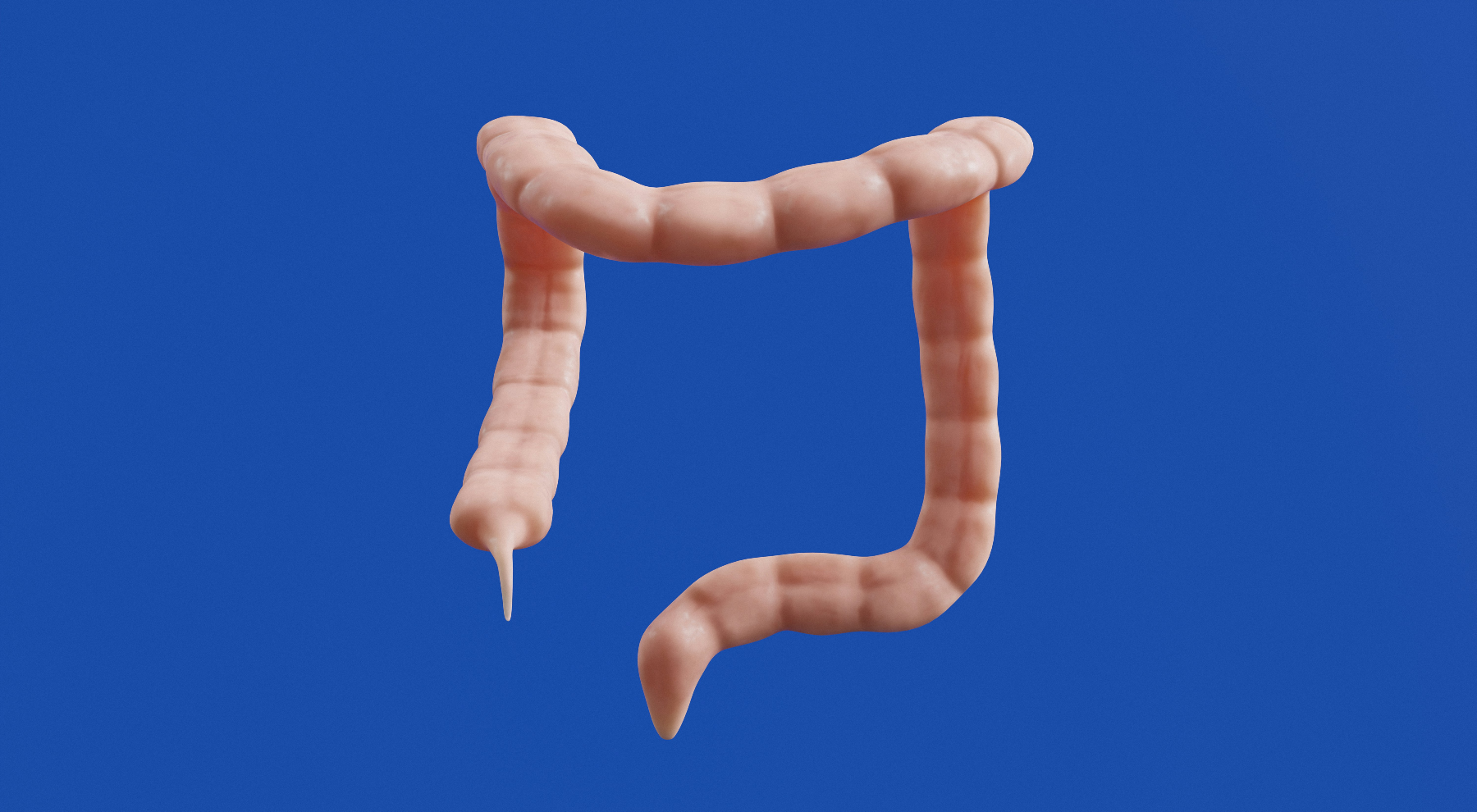
After introduction of the transplanted material, whether by colonoscopy, enema or catheter, the process of adaptation begins in the colon. The microorganisms transferred from the donor begin to colonise and interact with the bacteria already present in the patient's intestinal tract.
During the first days, temporary changes may be felt: more frequent bowel movements, gas or slight discomfort, which is normal. This is part of the body's reaction to the new microbiome composition.
When the transplant is successful, the new bacteria displace the pathogenic microorganisms and restore the natural balance in the gut. In patients with C. difficile, this usually leads to a quick and lasting relief of symptoms: no more diarrhea, pain and heaviness.
A growing body of research shows that the effects of FMT extend beyond the gut, affecting the immune system, inflammatory processes, and even mood.
After a successful transplant, the new microbiome can remain stable for months, even years. This is especially important in people who have undergone multiple antibiotic treatments and whose microbiome is severely damaged.
With a proper diet (rich in fiber, low in sugars and refined foods) the effect of the transplant can be sustained long-term.
Contact us for a consultation, research information or partnership. We will assist you with care and professionalism.