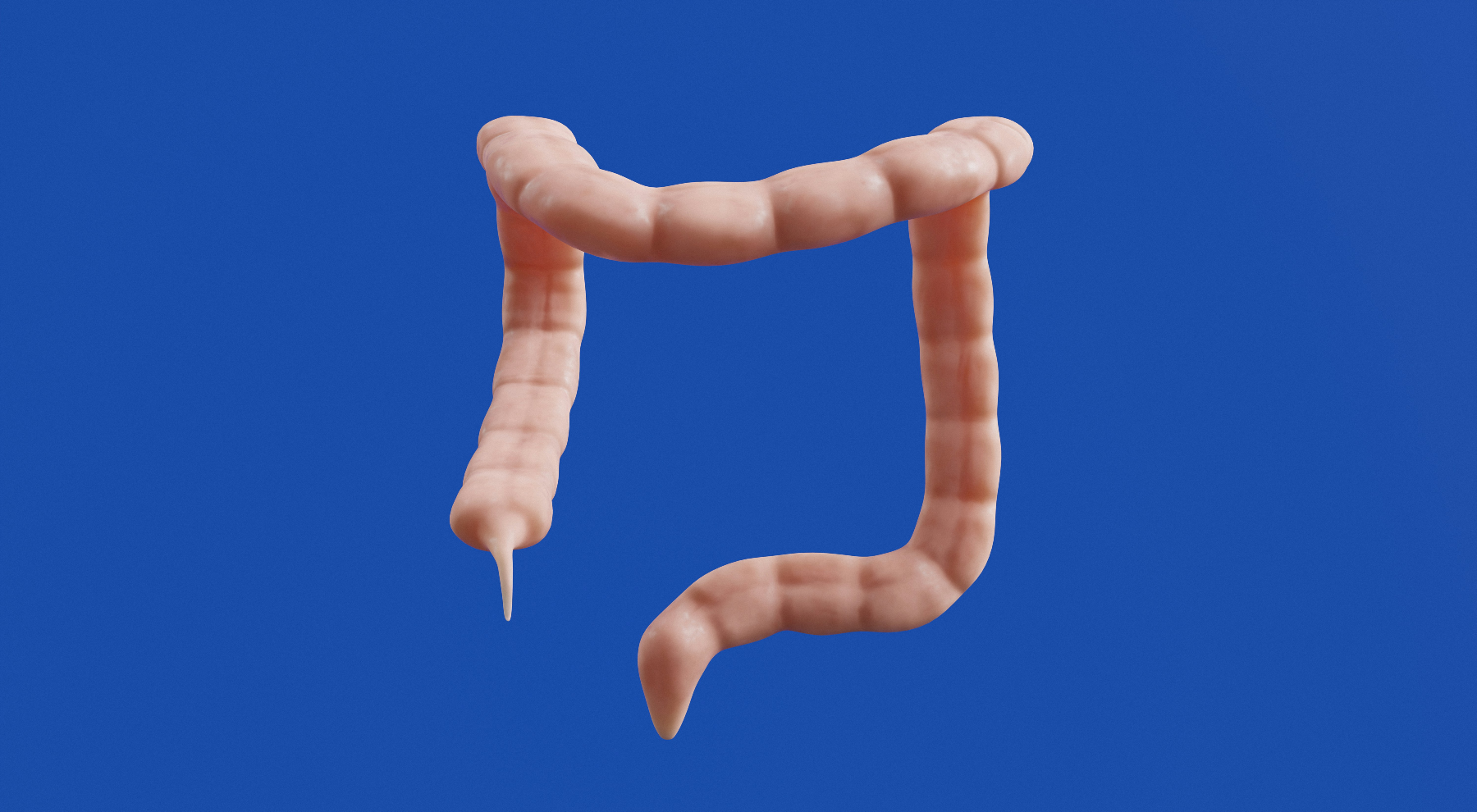



Ageing is a natural process that affects all the body’s systems. In recent years, however, scientists have been increasingly investigating the role of the gut microbiome – the trillions of microorganisms that inhabit the digestive tract.
There is a growing body of evidence that the composition and functions of the microbiome change with age and that these changes may be linked to some of the processes that characterise ageing.
The gut microbiome comprises a vast variety of bacteria, viruses, fungi and other microorganisms that live in the digestive system.
They are not merely passive inhabitants. Microorganisms play a part in the breakdown of nutrients, the production of certain metabolites, the maintenance of the intestinal barrier and interaction with the immune system.
The balance between the various microorganisms and their functions is important for the body to function normally.
As we get older, changes may occur in the diversity and composition of the gut microbiome.
In some people, there is a reduction in certain beneficial microorganisms and an increase in other types. However, these changes are not the same in everyone and depend on a number of factors, including diet, physical activity, medication, medical conditions and lifestyle.
It is therefore important not to assume that there is a single, universal „microbiome of youth“.
One of the mechanisms being investigated in relation to ageing is chronic low-grade inflammation.
As we get older, the body may develop a state of persistent, low-grade inflammation, which is associated with a number of processes characteristic of ageing.
The gut microbiome may play a role in regulating the immune response. Changes in the composition and function of the microbiome may be linked to changes in the intestinal barrier and the interaction between the gut and the immune system.
Gut bacteria produce various substances during the fermentation of food components. These include short-chain fatty acids, such as butyrate, acetate and propionate.
These metabolites play a part in maintaining the intestinal environment and interact with the body’s cells.
This is precisely why modern research is increasingly looking not only at which bacteria are present, but also at the functions they perform and the substances they produce.
The microbiome is also being studied in relation to metabolic processes such as the regulation of energy balance, glucose metabolism and the way in which the body processes nutrients.
The risk of metabolic disorders increases with age. Scientists are therefore investigating whether certain changes in the microbiome might be one of the factors associated with these processes.
It is important to emphasise, however, that the link between the microbiome and ageing is complex and is still being researched. The presence of certain bacteria does not in itself prove that they cause or prevent a particular disease.
Diet and lifestyle are among the factors that can influence the gut microbiome.
Certain key habits can help to support the diversity and normal functioning of the microbiota:
These factors do not „stop“ the ageing process, but form part of a holistic approach to maintaining good health as we grow older.
The microbiome is an active area of scientific research into healthy ageing. Scientists are investigating ways to influence the microbiome through diet, prebiotics, probiotics, specific bacterial strains and other microbiome-based approaches.
However, there is still no universal treatment that can „rejuvenate“ the microbiome or halt ageing. Further scientific research is needed to understand which changes in the microbiome are causes, which are consequences, and which are simply associated with ageing.
The gut microbiome is likely to be one of the factors involved in the complex system of processes associated with ageing. Its links to the immune system, inflammation, the gut barrier and metabolism make it an important area of contemporary research.
Understanding this link may, in future, help to develop more personalised approaches to maintaining health and quality of life as people age.
Contact us for a consultation, research information or partnership. We will assist you with care and professionalism.