

Science is paying increasing attention to the relationship between the microbiome and aging. A growing body of research shows that the composition of the gut microbiota has a direct impact on inflammation, the immune system, metabolism, and even cognitive function - key factors determining the quality of aging and longevity.
But how exactly does the microbiome influence the aging process?
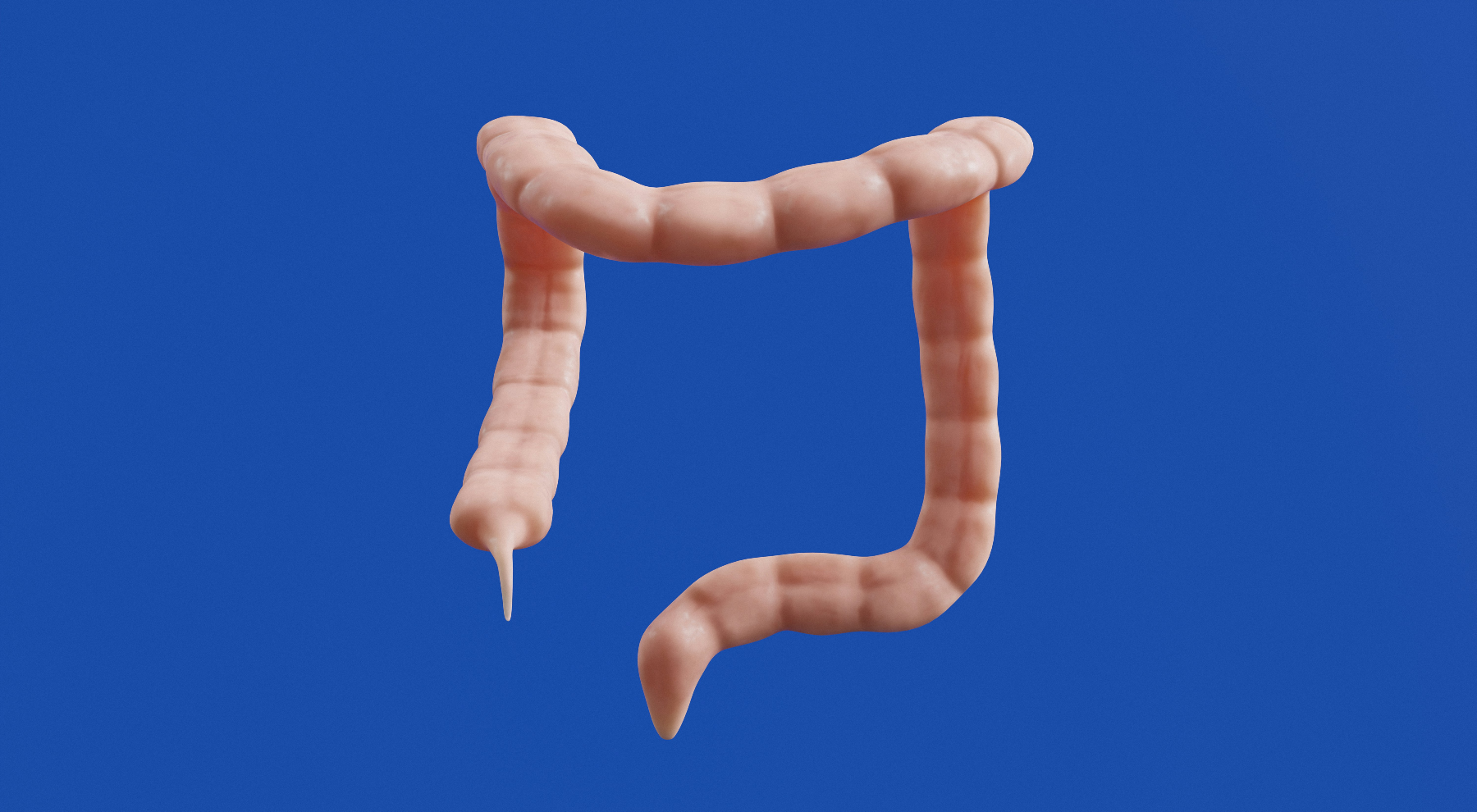
The gut microbiome is a collection of trillions of microorganisms that live in the gastrointestinal tract. These bacteria are not just passive inhabitants, but are actively involved in:
However, as we age, the composition and diversity of the microbiome changes.
Studies have shown that in the elderly are often observed:
These changes may contribute to the so-called. „inflaming.“ - chronic low-grade inflammation characteristic of aging.
One of the main links between the microbiome and aging is related to inflammation. An imbalance in the gut microbiota can lead to:
Chronic inflammation is a risk factor for:
As we age, the immune system weakens. A healthy microbiome helps:
A disrupted microbiome can exacerbate the age-related decline in immune function.
The gut-brain axis plays an important role in cognitive health. Some studies link dysbiosis to:
Gut bacteria produce metabolites that affect brain function, neurotransmitters and neuroinflammation.
While the microbiome is not a „miracle solution,“ optimizing gut health can assist:
Factors that support a healthy microbiome:
The microbiome is unique to each person. Therefore, the approach to gut health in the aging process must be individualized. In the presence of chronic complaints, metabolic disorders or immune imbalances, consultation with a specialist is advisable.
The relationship between the microbiome and ageing is one of the most dynamically developing fields in modern medicine. Gut health affects inflammation, immunity, metabolism and brain function - all key factors for longevity and a good quality of life.
Taking care of the microbiome doesn't mean looking for an „anti-aging miracle,“ but building sustainable habits that support the body's natural mechanisms.
Contact us for a consultation, research information or partnership. We will assist you with care and professionalism.